Newsletter Subscribe
Enter your email address below and subscribe to our newsletter
Enter your email address below and subscribe to our newsletter

 ByJohn A
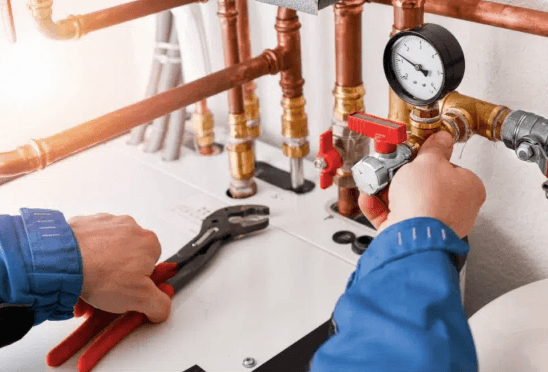
A home’s plumbing is built from three core parts: supply, drainage, and venting. Regular checks for leaks, damp spots, and unusual noises help prevent bigger problems. When drains slow or pipes gurgle, small, noninvasive fixes and tightening fittings can help, but shut off the main valve before any work. For tougher issues, documenting symptoms and locating shutoffs aids professionals. The next steps outline practical approaches and when to call in expert help.
A plumbing system delivers clean water to fixtures and removes wastewater efficiently, supporting daily activities from drinking and cooking to bathing and laundry. It sustains health, comfort, and independence by coordinating supply, drainage, and venting components. Understanding topic ideas and plumbing basics helps homeowners anticipate needs, plan maintenance, and ensure reliable performance without unnecessary dependence on others or costly surprises.
Common plumbing issues often become evident through simple, observable signs. The guide notes visible leaks, damp spots, and unusual noises as early indicators. Slow drains may signal drain clogs, while gurgling pipes suggest improper venting. Water discoloration or foul odors can indicate sewage-related concerns. Timely attention reduces damage; distinguish routine maintenance from serious sewer problems such as sewer backups.
Some everyday tasks can address minor plumbing problems without professional help, provided proper precautions are followed. This section outlines safe, basic fixes for common concerns. Residents can clear drain clogs with plunger technique and careful inspection, and address faucet leaks by tightening fittings or replacing washers. These approaches emphasize noninvasive, short-term remedies that preserve system integrity and promote informed, independent maintenance.
See also: The Rise of Invisible User Interfaces
When minor fixes are insufficient or safety questions arise, recognizing when professional assistance is warranted becomes important. A homeowner should assess leak severity, water pressure changes, and gas or electrical exposure before deciding to call a pro.
When to call: schedule promptly for urgent issues.
How to prepare: document symptoms, shutoffs, model numbers, and access paths for efficient, informed collaboration.
A home’s plumbing quietly sustains daily life, delivering water and carrying waste with reliability—when it functions well. But small leaks, slow drains, or unusual noises are warning signs that should not be ignored. By understanding the system, performing simple checks, and documenting details for professionals, homeowners can safeguard health and comfort. When issues persist, a pro should be consulted; preparation—valves, model numbers, and symptoms—speeds effective repair. In this realm, vigilance is a steady guardian, like a punctual heartbeat.